Materials Built for In-Place Architectural Restoration
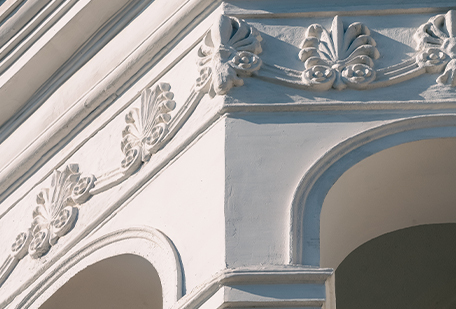
Mold existing building details on site and produce castings that reinstall cleanly.
Architectural restoration often starts with molding an original element in place, then using that mold to create a replacement casting. Silpak materials support this process with options that handle vertical surfaces, complex profiles, and on-site conditions, helping you capture the original detail and recreate it with confidence.
|
|
Silicone and Polyurethane Products for Crisp Detail and Easy Release
Flexible, durable rubbers that reproduce fine ornamentation and complex textures
Decorative trim, reliefs, cornices, and ornate patterns demand mold materials that hold sharp definition without tearing or distorting. Silpak silicone and polyurethane rubbers are formulated to reproduce fine detail while maintaining the flexibility needed for efficient demolding and repeatable cast results.
|
|
Architectural Foam and Support Materials for Strong, Stable Mold Systems
Reinforce molds and build reliable tooling for larger features and longer runs.
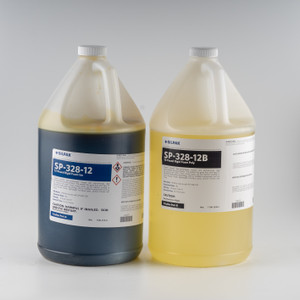
For larger architectural elements, a stable mold system often requires support structures and lightweight build materials. Silpak architectural foam can help create rigid forms and backing structures, improving mold stability and handling while maintaining the accuracy needed for consistent castings on restoration projects.
|